











Plastic bags, conservation projects up for vote at Town Meeting
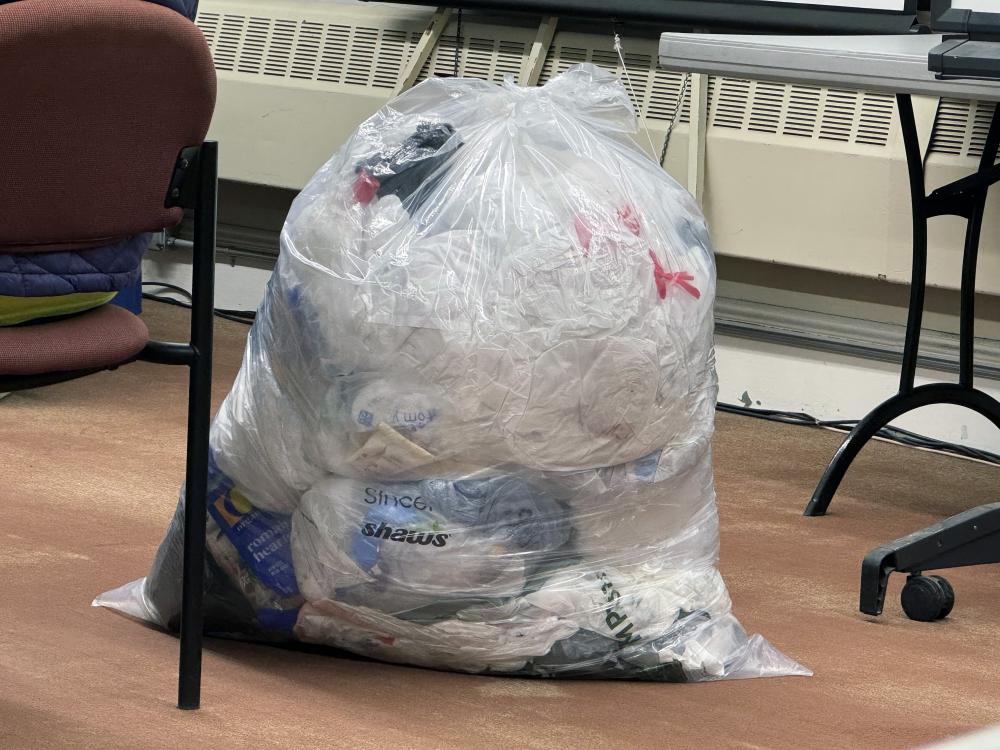 Plastic bags collected by the Wareham Recycling Center. File photos
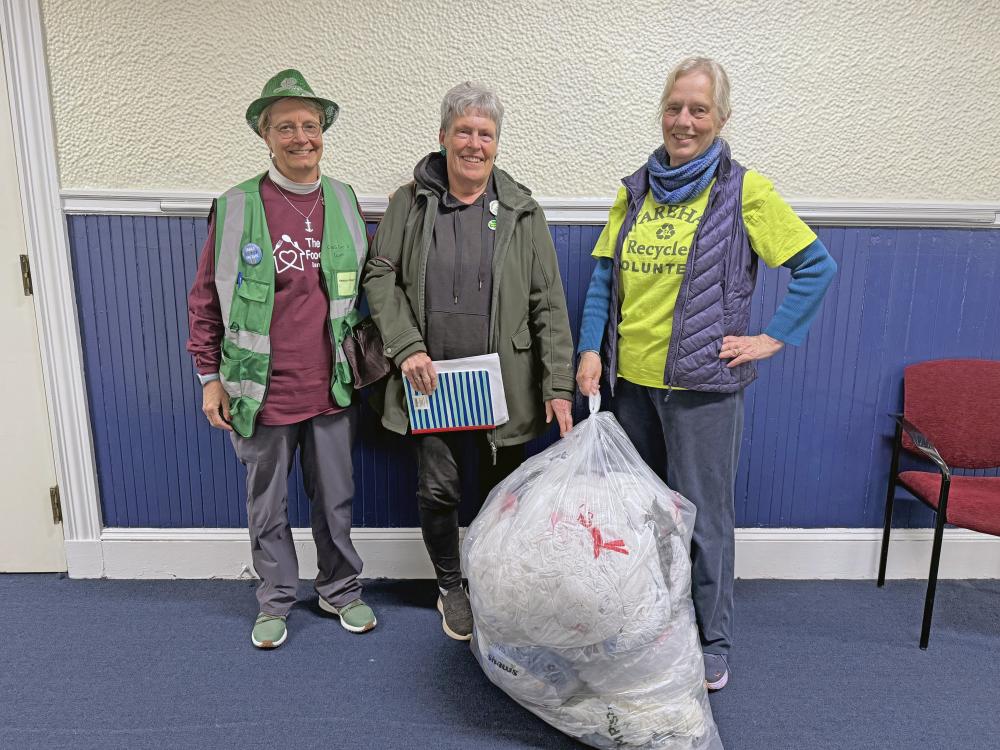 Hilary Greene, Jo-Ann Finn and Amanda Cobb with the collected bag of plastics.
 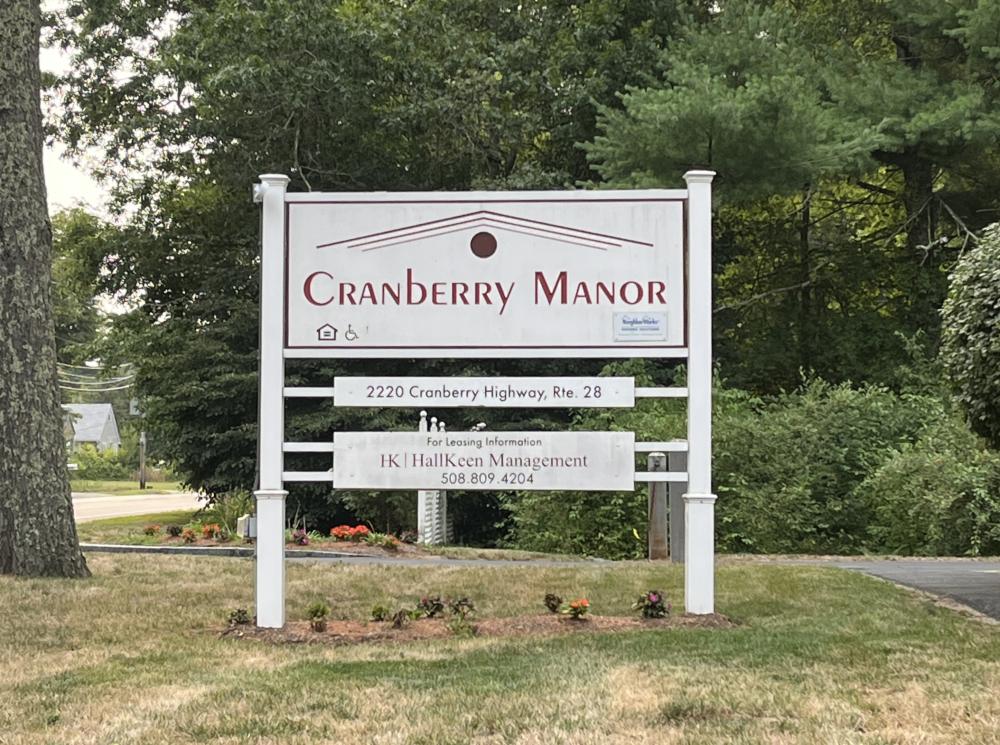 Cranberry Manor.
Plastic bags collected by the Wareham Recycling Center. File photos
Hilary Greene, Jo-Ann Finn and Amanda Cobb with the collected bag of plastics.
Cranberry Manor.
Cranberry Manor.
Plastic bags collected by the Wareham Recycling Center. File photos
Hilary Greene, Jo-Ann Finn and Amanda Cobb with the collected bag of plastics.
Cranberry Manor.
Voters will pack into the Wareham High School auditorium to address various issues from plastic bag usage, affordable housing and parking at the annual Spring Town Meeting.
The Monday, April 27 meeting will begin at 7 p.m. at 7 Viking Drive and all registered voters are eligible to attend, participate and vote on the various issues on hand.
The largest spending requests involve money from the Community Preservation Fund which is collected through a surtax on property worth over $100,000, the fund can be used for historic preservation, affordable housing, community recreation and preservation of open space.
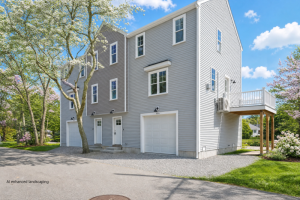
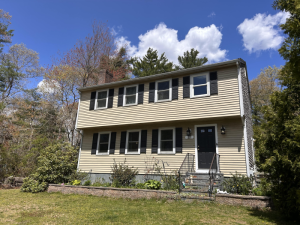
Voters will be asked to consider expanding Cranberry Manor, located at 2220 Cranberry Highway. The $300,000 request is to show support and help with the construction of the affordable senior housing portion of the complex.
The 40 one-bedroom unit building would be located behind the current Cranberry Manor. The new senior living site will go by area median income, 16 units will be 30% and 24 will be 60%. Rent will include utilities.
With common spaces, a multipurpose room and a wellness room the new space is for residents 62 and older. Plans include removing an unused basketball court and adding green spaces around the property.
The project totals $45 million, so the Community Preservation Committee is asking for the money as a recognition that the town supports the project.
The other project asking for Community Preservation funds would look to conserve Beaverdam Creek. $700,000 would go toward the Community Preservation Committee’s effort to purchase bogs and turn them into natural waterways.
The bogs and creek are an offshoot of the Weweantic River and stretch from Route 6 up Cromesett Road.
The money would be used to purchase the bogs for the Buzzard’s Bay Coalition. They would not be decommissioned immediately, but the Buzzard’s Bay Coalition would figure out the timeline on shutting down the bogs.
The coalition is a nonprofit environmental organization dedicated to protecting, restoring, and conserving Buzzards Bay and its surrounding watershed in Southeastern New England.
This would also help lower the amount of nitrogen polluting Wareham rivers, which Scott Kraihanzel, the director of the sewer department, said needs to decrease by 79%.
Two citizens petitions will be brought forth concerning plastic bag usage and public parking around town.
Former Select Board member and current Finance Committee member Alan Slavin has introduced a proposal that would allow restaurants on parts of Main Street and Onset Avenue to count nearby public parking spaces toward their required minimum parking.
Under the proposal, businesses in designated areas could use public parking spaces located within three-eighths of a mile, or 1980 feet, to meet zoning requirements.
Current bylaws require businesses that cannot provide enough parking on-site to rely on nearby off-site lots. Those spaces must be within 350 feet of the building and not be separated by a wide roadway.
The proposed change would apply to portions of Onset Village, Wareham Village and Narrows Road. Slavin said if passed, the proposal opening new businesses easier or reuse existing buildings in areas where space for parking is limited.
As for plastic bags, they could be a thing of the past for Wareham. Resident Jo-Ann Finn is looking to ban single-use grocery and take out bags in Wareham.
“People don’t like to pollute or litter, and they want to do the right thing, but we need policies and tools to make it easier to do so,” said Finn at a March Select Board meeting.
This ban wouldn’t affect any other type of plastic bag, such as pet waste bags, newspaper bags, trash bags, fruit and vegetable bags or plastic storage bags like Ziploc. Finn and her supporters said that single use grocery plastic bags can often end up in the trees or ponds, where they endanger the wildlife and add microplastics into the environment.
These bags are made from fossil fuels and cause carcinogenic effects.There is no single, comprehensive statewide ban on plastic bags in the state, but over 160 cities and towns have local bans in place.
The Sewer Department and Select Board have worked together to write a letter of support for the latest Comprehensive Wastewater Management Plan, which would to reduce nitrogen 79% by 2045.
According to the Mass Estuaries Project, the amount of nitrogen discharged into the Wareham River needs to be reduced by 79%. The Project determined that 43% of the excess nitrogen is due to septic systems and 16% from the town's wastewater treatment facility.
The town' plan works in four stages, each stage lasting five years. Each stage has specific steps that would decrease the amount of nitrogen and simultaneously improve the sewer system and sewer the majority of Wareham.
View the full Town Meeting agenda at wareham.gov.