












Migration is on the mind with Tremont Pond Dam removal study
 The Tremont Dam
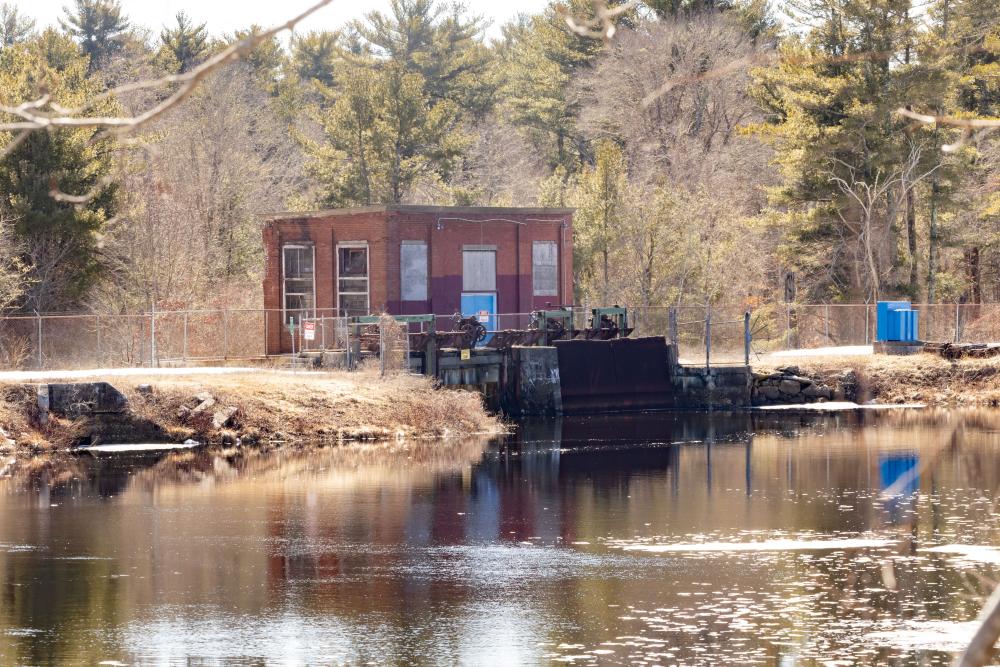
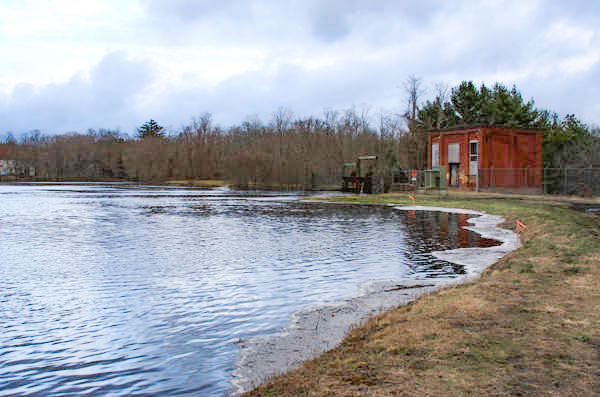 The Tremont Dam holds back Tremont Mill Pond. File photo
The Tremont Dam
The Tremont Dam holds back Tremont Mill Pond. File photo
The Tremont Dam holds back Tremont Mill Pond. File photo
The Tremont Dam
The Tremont Dam holds back Tremont Mill Pond. File photo
The Town of Wareham received $143,700 to study the possible removal of the Tremont Pond Dam, a project aimed at restoring the natural flow of the Weweantic River and improving conditions for migratory fish.
The dam, located off Tremont Mill Pond in West Wareham, was used for hydroelectric power from 1923 to 1938, according to the Buzzards Bay National Estuary Program.
The dam was labeled a significant hazard and marked as in poor condition by the Healey-Driscoll Administration in early December 2025. The dam prevents migratory fish from reaching upstream sections of the Weweantic River from Buzzards Bay.
The nearby Tremont Mill Pond was drained in the summer of 2024 to prevent flooding with plans to install operable gates on the spillways, replacing the former static barriers. This way, the level of the pond can be restored, and the gates can open to let the water through in the event of a flood.
However, removing the dam entirely is the idea with this grant.
Planning Board Director Josh Faherty said the funding will support the first phase of a feasibility study evaluating whether the dam can be removed safely and effectively. The project comes after the success of removing the Horseshoe Mill Pond Dam, which was removed in February 2022.
The study, which began on Sunday, March 8, will open up an opportunity to figure out future construction costs and timelines.
"The study is going to do survey work— a bathymetric survey— which is getting water elevations and what that looks like if you were to remove the dam," Faherty said. "That lays out the framework of future grant applications."
The feasibility study will examine engineering requirements, environmental impacts and potential costs associated with removing the structure. It will also evaluate how the change could affect nearby properties and infrastructure.
Faherty said that while fish migration is the number one priority, the study also will help prevent fines down the road related to environmental protection.
If the project moves forward, removing the dam would reopen miles of habitat for species that travel between saltwater and freshwater. Restoring the river’s natural flow is also expected to improve water quality and strengthen the overall health of the watershed.
Contact Name